RodentsAugust 21, 20268 min read
How to Get Rid of Rodents in Attic Spaces for Good
Rodents love Orlando attics. Here's how to remove rats and mice from your attic, clean up safely, and seal the space so they can't come back.
Getting rodents out of your attic for good takes four steps: inspect and find every entry point, trap the animals inside, seal the gaps with chew-proof materials, then clean and decontaminate the space. Trapping alone never lasts — without sealing, new rodents follow the same scent trails right back in.
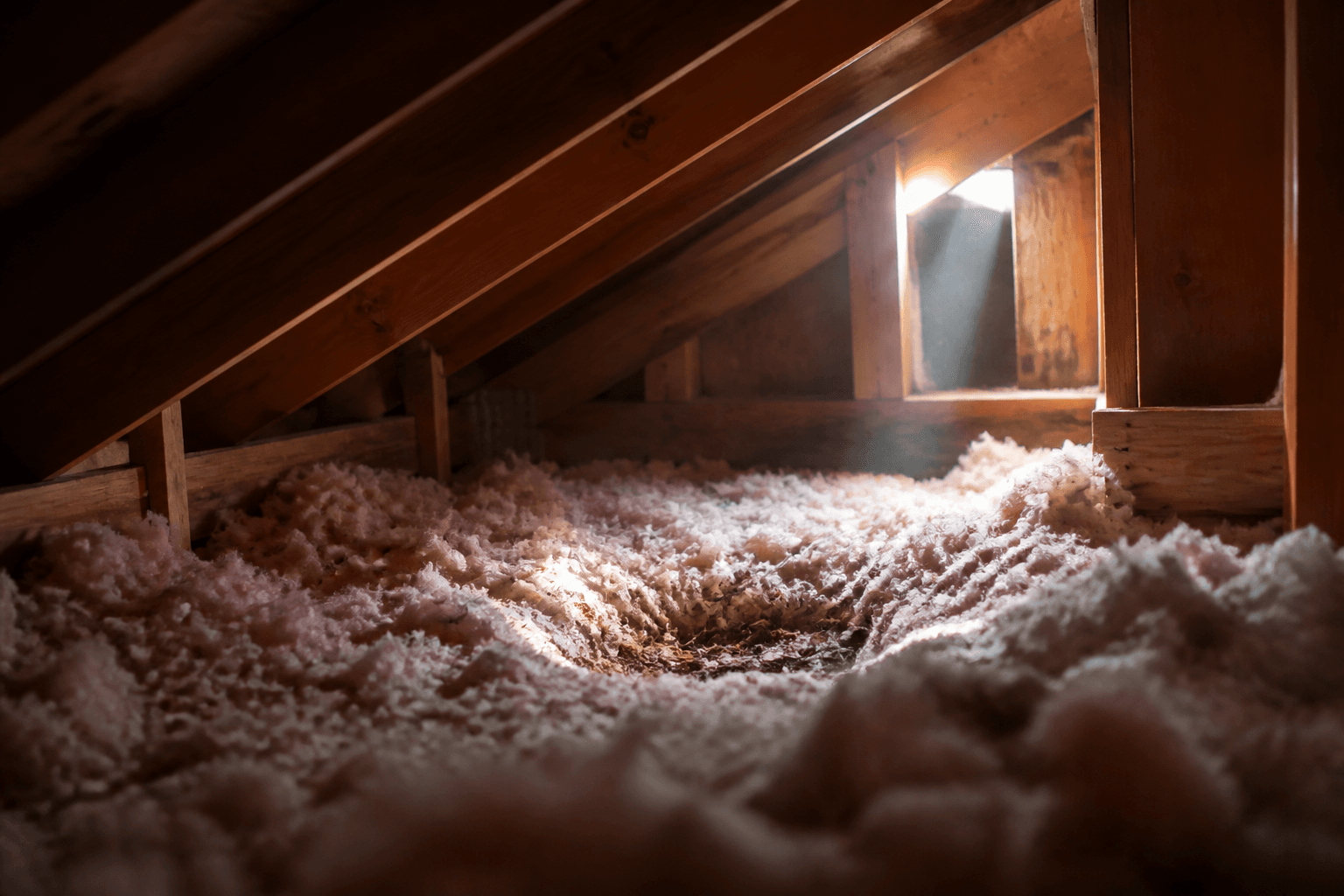
Attics are prime real estate for Central Florida rats and mice: warm, dark, quiet, and full of insulation to nest in. Below is the exact process a professional follows — and how to do it right.
Why rodents love Orlando attics
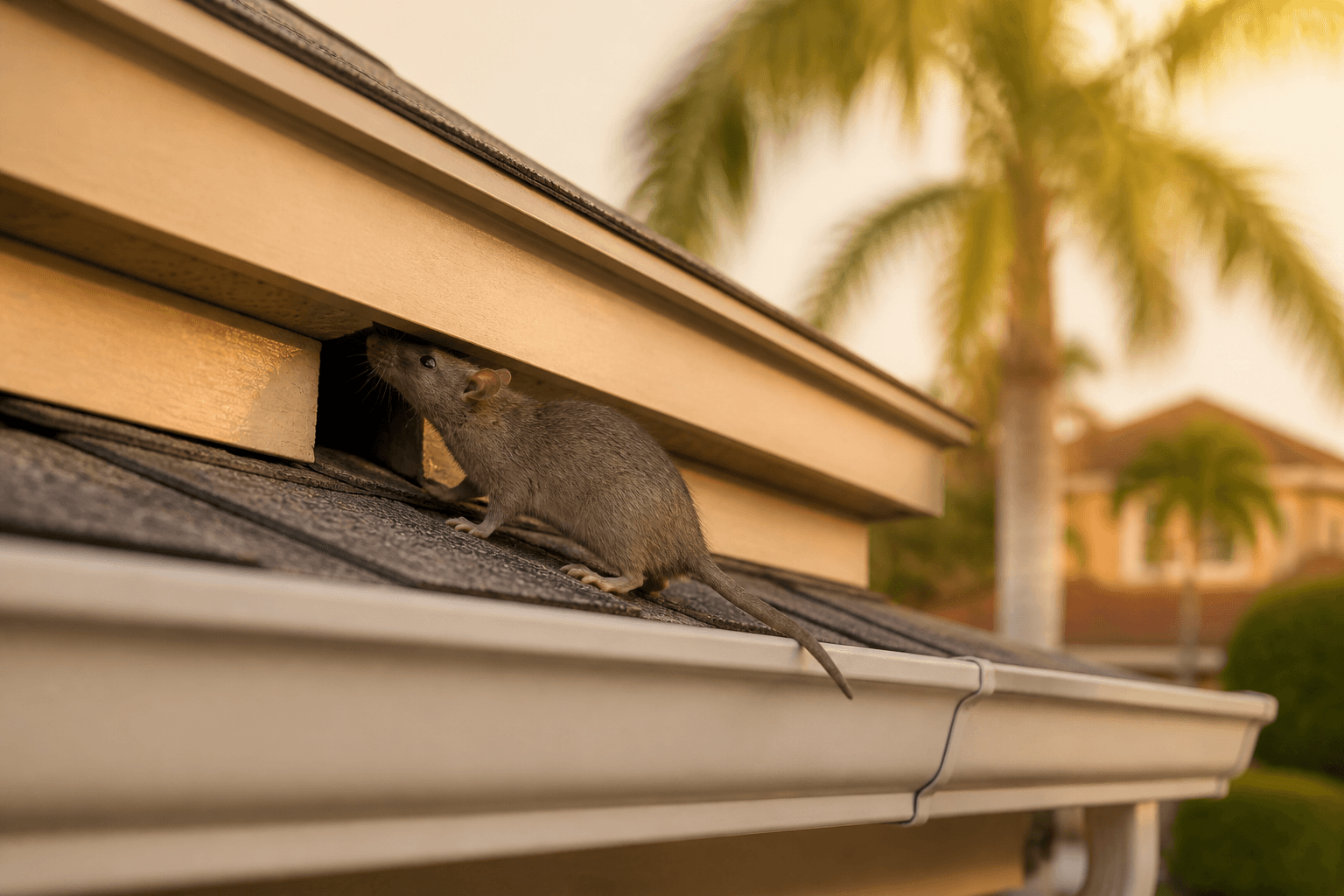
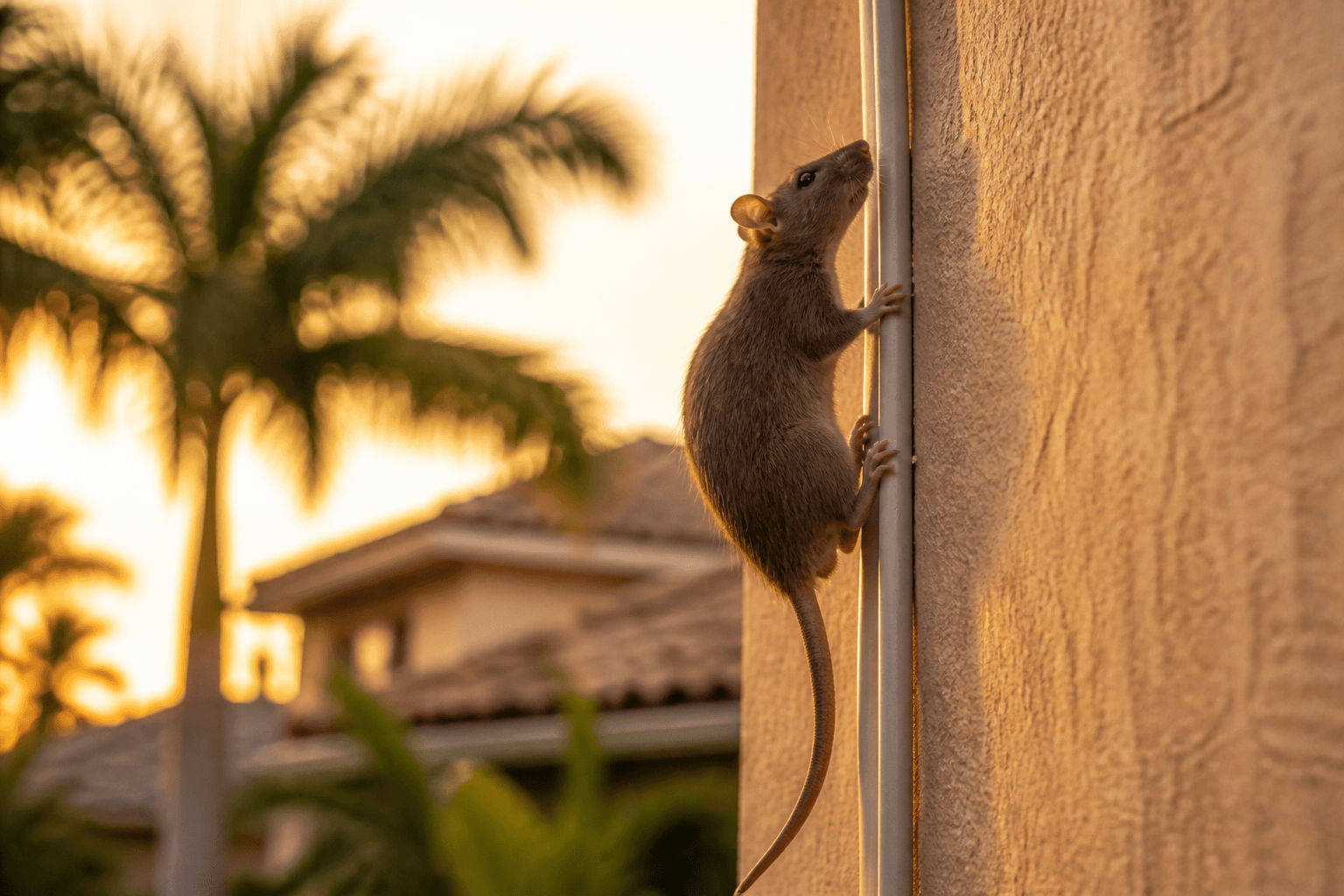
Florida's climate keeps rodents active all year, and our homes give them easy routes up: overhanging oaks and palms, tile rooflines, open soffits, and gaps around vents and plumbing. Once inside, an attic offers safe shelter just feet from the kitchen below. Roof rats are the usual culprits up high — learn to tell them apart from Norway rats so you can target the right entry points.
Signs of rodents in the attic
| Clue | What it means |
|---|---|
| Night noises | Scratching or scampering overhead after dark |
| Droppings | Pellets concentrated along beams and in insulation valleys |
| Trails & tunnels | Flattened "runways" and burrows dug through insulation |
| Nests | Shredded insulation, paper, or fabric wadded into hidden corners |
| Chewing | Gnawed wires, ducts, or stored boxes |
| Odor | A musky ammonia smell from urine, strongest in enclosed spaces |
How to get rid of rodents in the attic
1. Do a full inspection
Start in the attic and work outward to the roofline. Map where droppings, runways, and nests are heaviest, then find the entry points — soffit gaps, roof-vent screens, gable vents, and gaps where pipes or wires pass through. Gaps as small as a dime (mice) or a quarter (rats) are enough.
2. Trap strategically
Set snap traps along active runways and near nests, positioned perpendicular to walls. Check and reset daily until activity stops. Avoid poison bait in the attic — rodents that die inside walls or insulation create odor and secondary-poisoning risks for pets and wildlife.
3. Seal the entry points
This is the step that makes it permanent. Close every gap with galvanized hardware cloth, sheet metal, and copper mesh — materials rodents can't chew through. Foam, caulk, and steel wool are stop-gaps only. Sealing is the difference between a clean attic and a re-infestation next month.
4. Clean and decontaminate
Once the attic is rodent-free and sealed:
- Wear an N95 respirator and gloves — never sweep or vacuum dry droppings, which aerosolizes pathogens.
- Mist droppings and nesting with a disinfectant, let it soak, then bag and remove.
- Replace insulation that's heavily soiled or matted with nesting.
- Sanitize surfaces to remove the scent trails that attract new rodents.
Keeping rodents out for good
Exclusion is only durable when paired with habitat control outside: trim tree limbs back 3–4 feet from the roof, clear leaf litter and woodpiles from the foundation, and store pet food and trash in sealed containers. Ongoing monitoring catches a lone invader before it becomes a colony. Our rodent control program in Orlando combines all three — removal, exclusion, and monitoring — with a warranty on the sealing work.
Already know the problem is up on the roofline? See our step-by-step guide to getting rid of roof rats.
When to call a professional
Attic work is hot, cramped, and often unsafe around wiring and thin ceiling joists. Call a licensed pro if you can't locate the entry points, activity continues past a week, wiring is chewed, or there's significant droppings and nesting to clean up safely. A technician handles inspection, trapping, chew-proof sealing, and decontamination in one coordinated visit.
Frequently Asked Questions
Will rodents leave the attic on their own?
No. An attic gives them shelter, warmth, and safety year-round in Florida. They stay and breed until they're removed and the entry points are sealed.
How do I know if it's rats or mice in my attic?
Rats leave larger (½-inch) droppings and heavier runways; mice leave rice-grain droppings and more scattered activity. Rats are more often heard as distinct scurrying, mice as lighter, faster movement.
Is rodent droppings cleanup dangerous?
It can be. Dried droppings and urine can carry pathogens that become airborne when disturbed. Always wear a respirator and gloves, mist before removal, and never dry sweep or vacuum.
How much does attic rodent removal cost in Orlando?
It depends on the infestation size, number of entry points, and how much insulation needs replacing. Contact us for a free inspection and quote.
Something living in your attic? Panther Pest Control removes the rodents, seals the entry points, and cleans up — so they don't come back. Get a free quote today.