RodentsAugust 12, 20265 min read
Do Rats Climb On Walls? What Florida Homeowners Should Know
Yes — rats climb walls, pipes, and wires with ease. Learn how rats scale vertical surfaces, how they get into your Orlando home, and how to stop them.

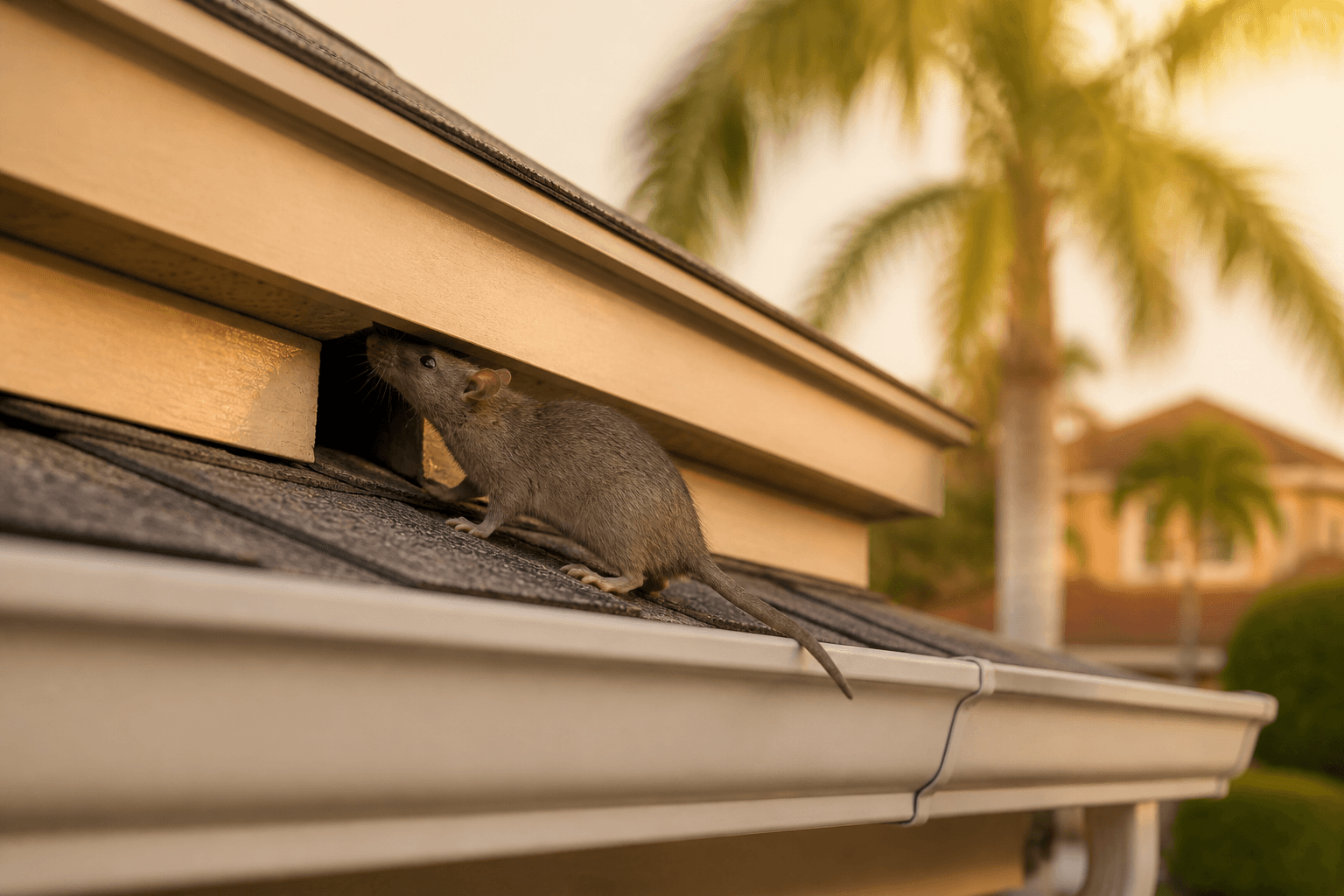
Yes — rats are excellent climbers and can scale most walls. Roof rats in particular climb rough stucco, brick, downspouts, pipes, cables, and tree limbs with ease, and they can walk along wires like a tightrope. This is exactly how they reach the roofline and get into Central Florida attics.
Understanding how rats climb tells you where they're getting in — and where to stop them.
Can rats really climb vertical walls?
Rats climb using sharp claws and strong hind legs. Any surface with texture or grip — stucco, brick, wood siding, concrete block — is an easy climb. Smooth surfaces like glass or polished metal are harder, but rats simply go around them, using nearby pipes, cables, or vegetation instead.
Roof rats (the most common rat in Orlando) are especially agile and prefer to travel and nest up high. If something is climbing your walls at night, it's almost certainly a roof rat — see how they differ from ground-dwelling Norway rats.
How high and how well can rats climb?
| Ability | What rats can do |
|---|---|
| Vertical climbing | Scale rough walls, brick, stucco, and wood |
| Wires & cables | Walk along power/cable lines to reach the roof |
| Pipes | Shimmy up downspouts and pipes, inside and out |
| Trees | Climb and jump from branches onto the roof |
| Jumping | Leap roughly 3 ft vertically and further horizontally |
| Balance | Run along narrow ledges, fences, and beams |
How climbing gets rats into your home
Because rats climb so well, most entry points are up high, not at ground level:
- Gaps in the soffit and fascia
- Unscreened roof and gable vents
- Gaps around roof-mounted pipes and vent stacks
- Overhanging tree limbs that act as bridges to the roof
- Along utility lines connecting to the house
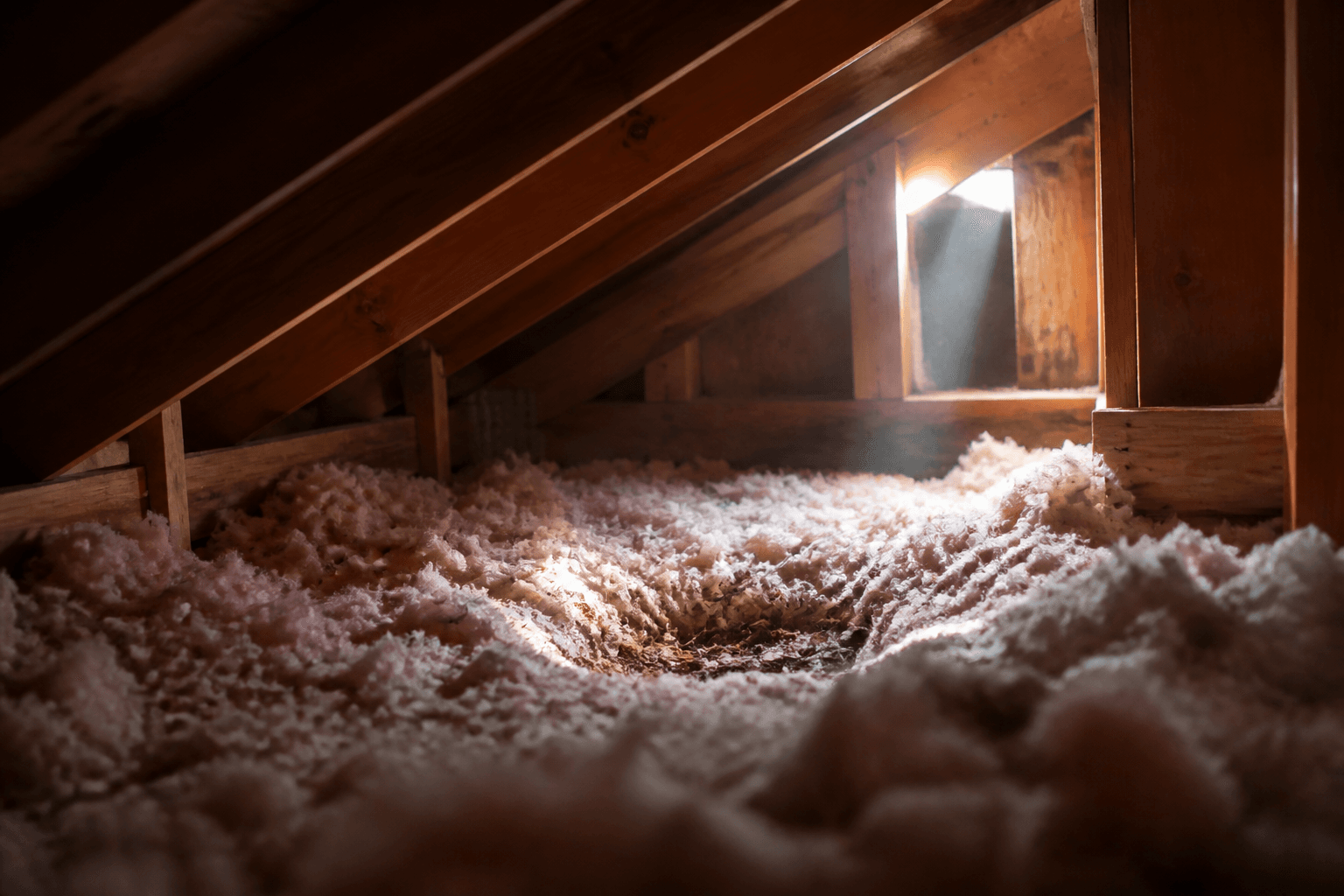
Once on the roof, a rat only needs a gap the size of a quarter to get inside. From there they move through the attic and down into wall voids — which is how you end up with rodents in your walls.
How to stop rats from climbing in
You can't stop a rat from climbing — but you can remove the routes and seal the destinations:
- Trim trees back at least 3–4 feet from the roofline.
- Seal roofline gaps with galvanized hardware cloth and sheet metal (rats chew through foam and steel wool).
- Screen vents and cap open pipes.
- Install guards on wires/pipes where feasible.
This "exclusion" work is the core of lasting rodent control. For a whole-home approach, see our rodent control services in Orlando, or read how to get rid of roof rats for the full trapping-and-sealing process.
Frequently Asked Questions
Can rats climb inside walls?
Yes. Once inside, rats climb vertical wall voids between studs to move between floors and the attic, which is why you may hear them in the walls at night.
What walls can rats not climb?
Very smooth, non-textured surfaces like glass or polished metal are difficult. But rats almost always find an adjacent pipe, wire, or plant to bypass them.
Do mice climb walls too?
Yes. Mice are also capable climbers and can squeeze through gaps as small as a dime, so they exploit even more entry points than rats.
How do I know if rats are climbing into my attic?
Listen for scratching or scurrying overhead after dark, and look for grease marks and droppings along the roofline and in the attic.
Hearing rats overhead? Panther Pest Control finds the climb routes, seals the entry points, and keeps them out for good. Get a free quote today.