RodentsAugust 9, 20268 min read
Florida Rodents: Identification, Risks, and How to Protect Your Home
Meet the rodents common in Central Florida homes — how to identify them, the health and property risks they pose, and how to protect your Orlando home.
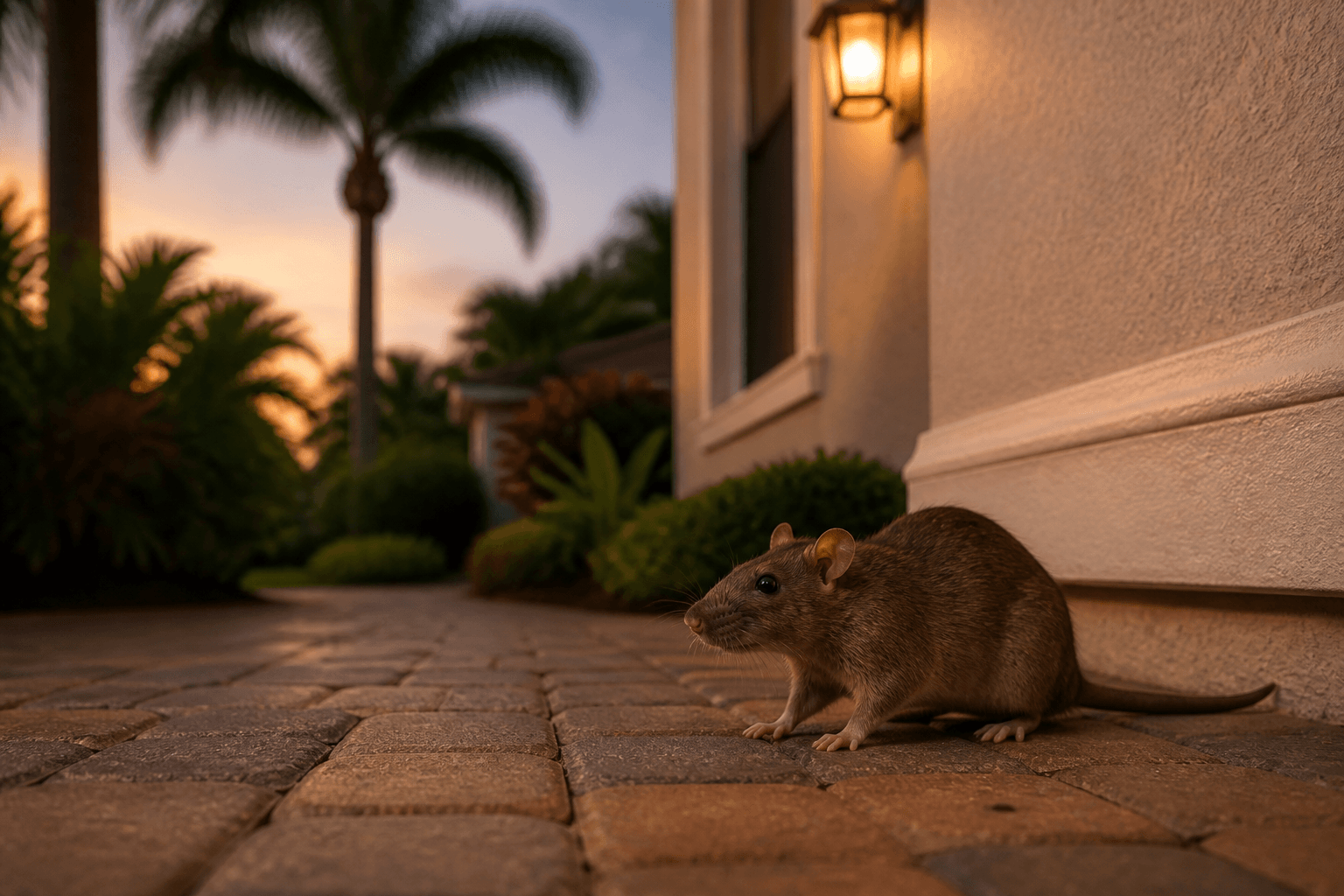
The rodents you're most likely to find in a Central Florida home are roof rats, Norway rats, and house mice. Roof rats are by far the most common here, nesting in attics and trees. All three contaminate food, spread disease through droppings and urine, and gnaw wiring — so fast identification and removal matter.
Florida's warm, humid climate keeps rodents active year-round, giving them no off-season. Here's how to identify what you have and protect your home.
Common rodents in Central Florida
| Rodent | Size & look | Where it lives | Notes |
|---|---|---|---|
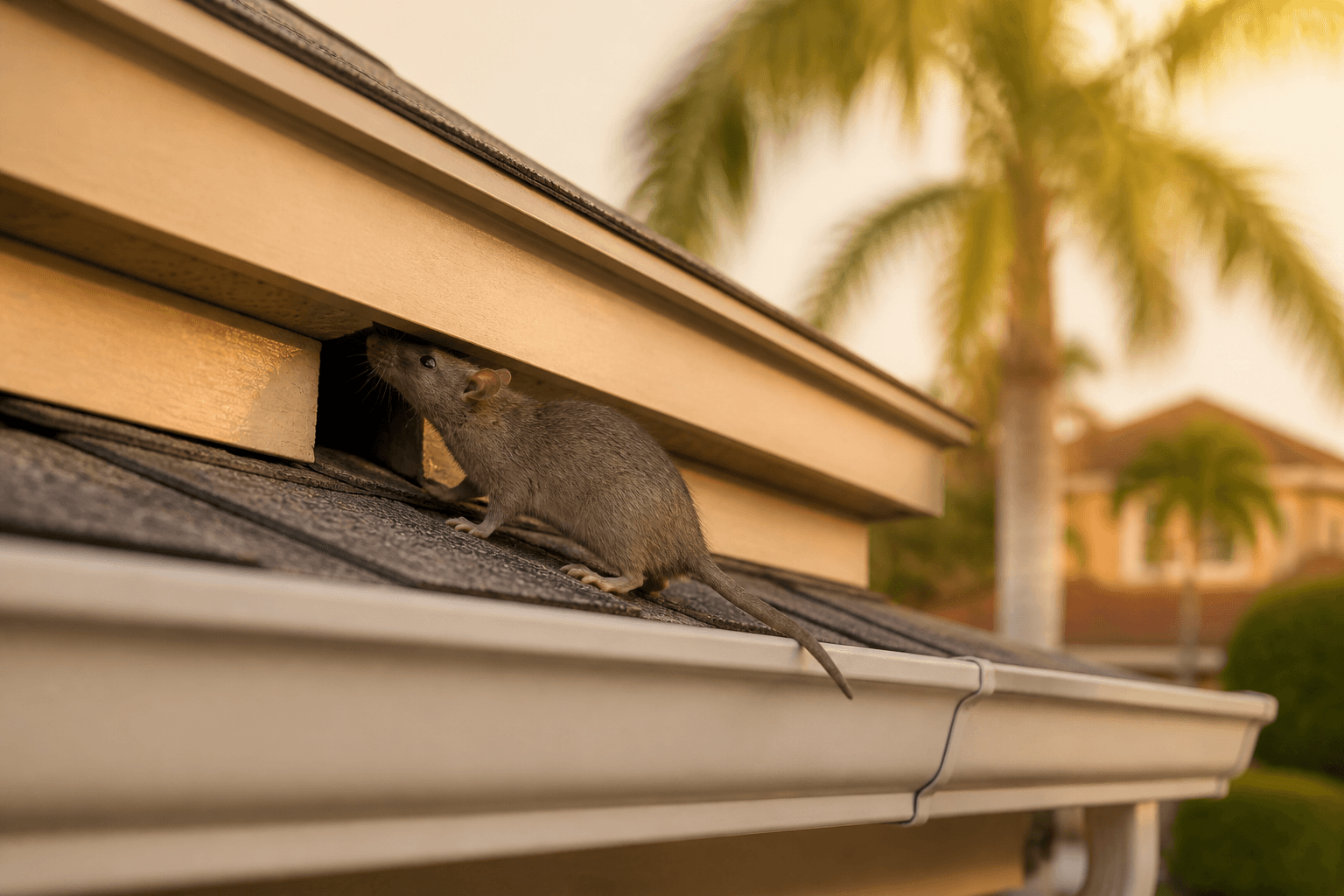
| Roof rat | Slim, dark, tail longer than body, big ears | Attics, rafters, trees, high spaces | Most common in Orlando homes |
| Norway rat | Large, stocky, brown, short tail, small ears | Burrows, crawlspaces, ground level | Less common indoors here |
| House mouse | Small (2–4 in), gray-brown, large ears | Kitchens, walls, pantries | Squeezes through dime-sized gaps |
Not sure whether it's a rat or a mouse? Rats leave ½-inch droppings and heavy runways; mice leave rice-grain droppings scattered widely. For the two rat species, see roof rat vs Norway rat.
How to identify a rodent problem
- Droppings — the fastest clue; note size and location.
- Gnaw marks on wood, wiring, plastic, or food packaging.
- Grease marks along walls and runways from oily fur.
- Sounds — scratching or scurrying in the attic or walls at night.
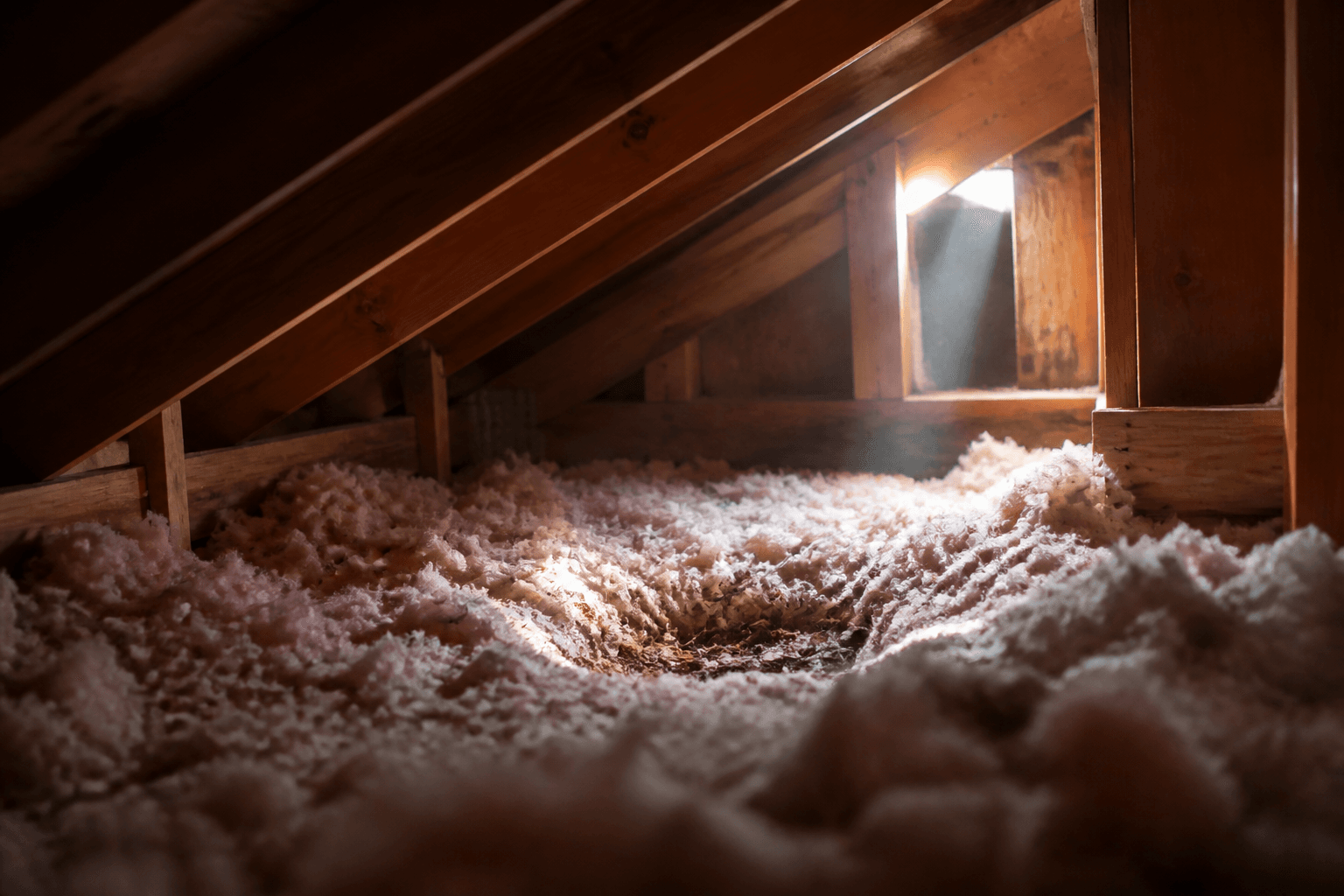
- Nests of shredded insulation, paper, or fabric.
- A musky, ammonia-like odor in enclosed spaces.
The risks rodents pose
Health risks
Rodents can spread disease through their droppings, urine, and saliva, and they carry parasites like fleas and mites. Dried droppings can become airborne when disturbed, which is why cleanup should be done carefully with a respirator — never dry-swept or vacuumed.
Property risks
Rodents gnaw constantly. Chewed electrical wiring is a genuine fire hazard, and they also damage insulation, ductwork, plumbing, and stored belongings. A small problem compounds quickly because rodents breed rapidly in Florida's climate.
How to protect your Orlando home
- Seal entry points — close gaps at the roofline, vents, pipes, and foundation with chew-proof materials (hardware cloth, sheet metal). Rats need only a quarter-sized gap; mice a dime.
- Remove food and water — secure pantry food, pet food, trash, and bird seed; fix leaks and drips.
- Cut back cover — trim trees 3–4 ft from the roof and clear woodpiles and debris from the foundation.
- Monitor — catch a lone invader before it becomes a colony.
If rodents are already inside, our guides on getting rid of rodents in the attic and in the walls walk through removal and cleanup. For a warrantied, whole-home solution, see our rodent control services in Orlando.
Frequently Asked Questions
What is the most common rodent in Florida homes?
Roof rats are the most common rodent found in Central Florida homes, thanks to the warm climate, dense tree canopy, and attic-friendly rooflines. House mice and Norway rats also occur.
Are rat droppings dangerous?
Yes. Rodent droppings and urine can carry pathogens that may become airborne when disturbed. Always wear gloves and an N95 respirator, mist before removal, and avoid dry sweeping or vacuuming.
Do rodents stay active in Florida year-round?
Yes. Florida's warm, humid weather means there's no winter die-off, so rodents remain active every month of the year — making year-round prevention important.
How do I get rid of rodents for good?
Combine trapping, chew-proof sealing of every entry point, and ongoing monitoring. Trapping alone is temporary; sealing is what keeps them out.
Spotting the signs? Panther Pest Control identifies the rodent, removes it, and seals your home. Get a free quote or call today.